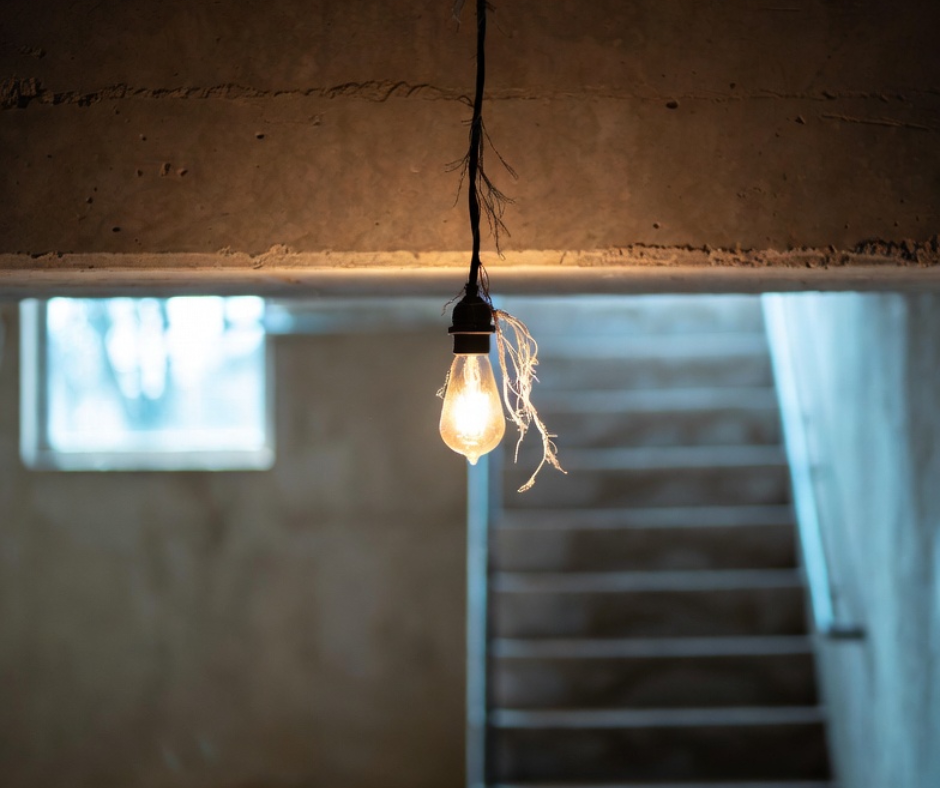
Roanoke wakes slow. The morning slips down the hills, steam rises off coffee, and the city takes a long breath. Theo watches it from a kitchen window that faces a maple tree and a short stretch of street. Under his feet is the room he avoids. Concrete floor. One pull-chain bulb. A set of shelves that hold things he meant to sort last year.
A spring storm nudges him to start. Water gathers by the back steps, then presses a damp smell into the air. Theo walks the yard with a shovel, adds downspout extensions, and cuts a narrow trench that leads rain away from the foundation. Inside, the air shifts. Drier. Easier. He stands at the top of the basement stairs and tries a different idea on for size. Not storage. Not a space you pass through. A quiet room that feels like the Parkway on a clear day.
Light and safety come first. An egress window goes into a clean well tucked along a flower bed. The cut through concrete sounds like stubbornness finally moving. When the glass slides into place, the room exhales. Afternoon sun finds the slab in a bright rectangle that marches slowly across the floor.
Theo chalks shapes where walls might go. A media nook for game nights. A small desk where maps can open flat. A bench by the door for muddy boots after a trail walk. He chooses LVP that looks like oak because it forgives grit and cleans fast. Paperless drywall stands up on the walls and gets a soft eggshell white. The ceiling stays smooth with a neat access panel above the mechanicals. He runs two circuits, tucks a conduit behind the media wall so cables won’t wander, and sets a plumbed dehumidifier to keep the room steady when July presses in.
Sound gets attention. Insulation fills the joists. A solid-core door waits at the stairs. The upstairs holds its calm even when a late game goes long. The room doesn’t try hard. It just works.
Little things make it local. A shallow ledge for postcards from Peaks of Otter and a snapshot at the Mill Mountain Star. A spool table with a bowl of smooth stones picked up near Buchanan. A thrifted map cabinet under the new window with drawers for brochures and scribbled notes about pie stands and farm markets. The space begins to think like a Roanoke Saturday.
Friends stop by. They pause at the bottom step and say the same line. It doesn’t feel like a basement. Theo smiles. The room isn’t fancy. It’s ready. Blankets stack by the sofa. A basket corrals remotes. A plant turns its leaves toward the new light in a slow, certain way.
His nieces visit in August and claim the media corner in five minutes. The sleeper sofa unfolds. Lights dim with one small twist. Rain taps the window well while the house stays even and quiet. In the morning, pancakes upstairs. Downstairs, Theo traces a loop on a paper map that will take him up the Parkway and back before lunch.
If you’ve got a room under your feet waiting for its job, start small. Keep water out. Add a safe exit. Borrow daylight. Choose finishes that don’t mind humidity. Plan the electrical like a checklist. Think about sound so the rest of the house stays calm. Then give the space a purpose that matches your days. A corner for guests. A desk for maps. A studio where music can lean on a stand and not a wall.
On the next clear Saturday, Theo will take the long way home. He’ll pull off at an overlook where the wind smells like pine, watch a hawk cut slow circles over the valley, then head back to the quiet room that finally learned how to breathe. The house will feel bigger, not because it grew, but because a hidden space found its use.
Leave a Reply