Roanoke
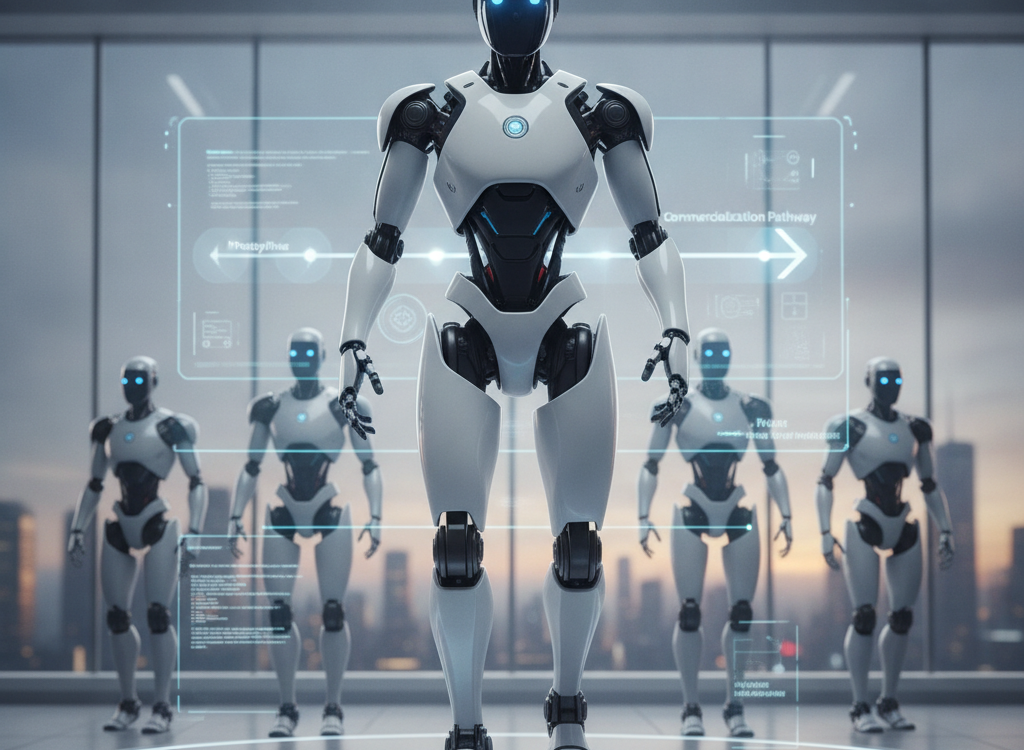
Figure AI has emerged as one of the best-known names in humanoid robotics, drawing attention for its ambition to build general-purpose robots that can work in human environments. The company has showcased a rapidly evolving lineup of machines under the Figure name, but the key question for many observers remains straightforward: which of these robots are commercially available today, and which are still in development?
A review of Figure AI’s Figure product page shows a company that is still in the early commercial phase, with much of its public focus centered on prototypes, demonstrations, and pilot deployments rather than broad retail or off-the-shelf sales. That distinction matters, because in robotics the gap between a polished demo and a market-ready product is often measured in years of engineering, testing, and integration work.
Figure AI’s Robot Lineup
Figure AI has publicly introduced multiple generations of humanoid robots, each intended to advance the company’s core goal: creating robots that can perform useful tasks in real-world settings. The most visible models have been presented as part of a product progression rather than as consumer devices.
The company’s early humanoid, often referred to as Figure 01, helped establish the design language and ambitions of the platform. Later iterations, including Figure 02 and subsequent development work, have been positioned as improvements in mechanics, AI integration, and task performance. The emphasis has been on mobility, manipulation, and the ability to operate in structured environments such as warehouses, industrial settings, and other labor-constrained workplaces.
Rather than marketing these robots as finished products for general sale, Figure AI has framed them as part of a longer-term commercialization strategy. In practical terms, that means the company is building toward deployment in business contexts where customers may need specialized capability, support, and integration rather than a mass-market appliance.
Which Robots Are Commercially Available
At present, Figure AI does not appear to be selling humanoid robots as a broadly available consumer or commercial catalog product in the way a traditional robotics vendor might sell warehouse equipment or industrial arms. Instead, the company’s public materials suggest that the robots remain in a controlled rollout stage.
That usually means one or more of the following:
- limited pilot programs with selected partners
- demonstration units used for development and validation
- early commercial agreements that are not yet open to general purchase
- custom deployments tied to specific customer needs
For buyers, that distinction is important. A robot can be commercially relevant without being widely available, especially in a category like humanoid robotics where deployment often requires tailored software, safety certification, operational testing, and site-specific support. In Figure AI’s case, the available evidence points to a company still building the foundation for broader commercialization rather than one with a standard purchase-and-ship model.
This also means there is no clear indication, from the company’s public-facing information, of a consumer version available for direct online ordering. The company’s focus remains on enterprise-grade capability, not retail accessibility.
What Figure AI Is Trying To Commercialize
Figure AI’s strategy appears centered on humanoid robots that can do more than repeat a single fixed task. The long-term value proposition is a machine that can adapt to changing environments, respond to natural language instructions, and perform physical work in settings designed for people.
That goal places Figure AI in a different category from many robotics companies that specialize in narrow tasks. Instead of selling a single-purpose robot for a warehouse aisle or factory line, Figure is working toward a general-purpose platform. If successful, that could allow customers to deploy the same robot across multiple roles, from material handling to inspection or basic logistics support.
The challenge is that general-purpose robotics is technically demanding. Humanoid robots must balance dexterity, perception, battery life, safety, and reliability while navigating environments built for humans. A machine can impress in a controlled demonstration and still require substantial refinement before it becomes a dependable commercial tool.
Figure AI’s product messaging reflects that reality. The company has been public about its hardware progress, but the most important commercial milestone will be repeatable performance in real deployments, not just visual sophistication.
Why The Commercial Status Matters
For investors, customers, and industry watchers, the commercial status of Figure AI’s robots is as important as the robots themselves. A company may attract significant attention for its engineering, but commercial availability is the point at which that work begins to translate into revenue, support contracts, and operational adoption.
At this stage, Figure AI appears to be positioning itself for future enterprise deployment rather than immediate broad-market sales. That is common in robotics, where product maturity tends to lag behind publicity. It is also why the company’s public demos should be read as indicators of technical direction, not proof of near-term mass availability.
There is also a broader market implication. If Figure AI succeeds, it could help define what humanoid robots look like as commercial products: not consumer gadgets, but high-value machines sold into logistics, manufacturing, and service environments under carefully managed conditions. If it does not, the company may still contribute important advances in robotics hardware and embodied AI without ever reaching widespread commercial deployment.
For now, the picture is clear: Figure AI has a notable and evolving robot platform, but its commercially available robot lineup remains limited or not yet broadly open to the public. The company is best understood as a robotics developer moving toward commercialization, rather than a vendor with fully mature, mass-market humanoid robots on sale today.
As Figure AI continues to refine its platform, the next major signal to watch will not be another demo alone, but evidence of repeatable deployments, customer access, and a clear path from prototype to product.