Roanoke
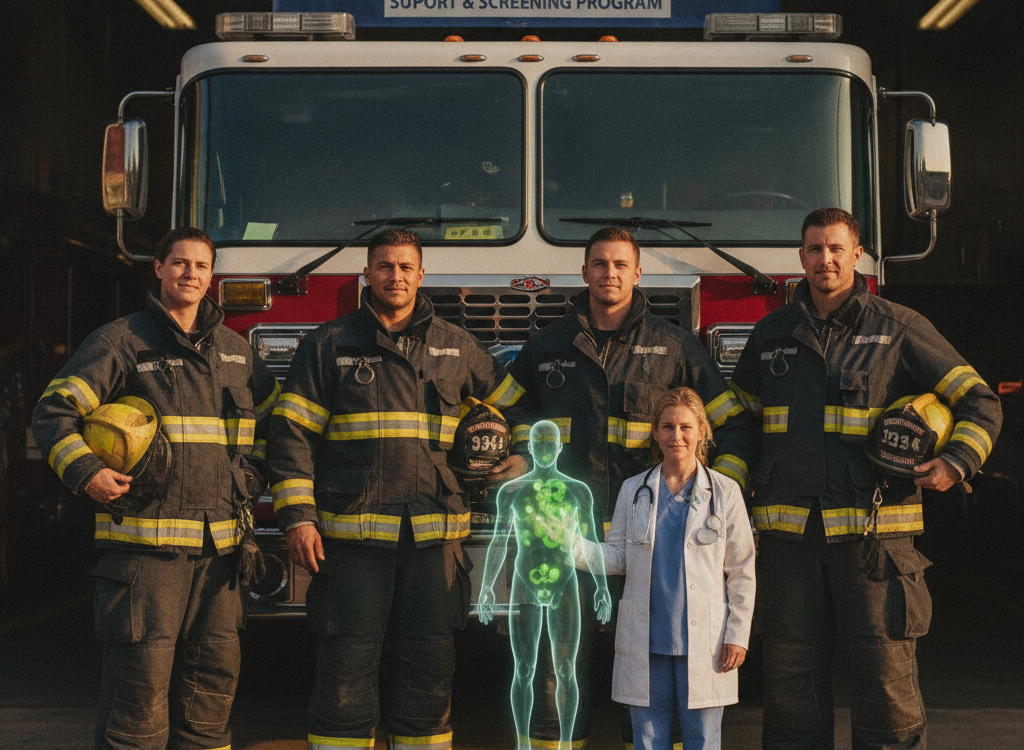
Firefighters regularly face hazards that are visible and immediate, but some of the most serious health threats are harder to see. A recent 13News Now report about a $2 million grant for Virginia firefighter cancer screening underscores a growing public health issue: firefighters are at elevated risk for certain cancers because of the environments in which they work.
The grant highlights a shift in how fire service health is being addressed. Instead of waiting until symptoms appear, screening efforts aim to identify cancer earlier, when treatment is often more effective. For firefighters, that approach can be especially important because their occupational exposure may increase risk over time.
Why Firefighters Face Higher Cancer Risk
Firefighters may encounter smoke, soot, chemicals, building materials, and other combustion byproducts during routine calls and major incidents. Even with protective gear, exposures can occur through inhalation, skin contact, and contamination of equipment or clothing. Over years of service, those exposures can add up.
Cancer risk in the fire service has been widely discussed by health experts and safety advocates because the job combines repeated exposure with physically demanding work. Many firefighters are also exposed to hazards that are not obvious at the scene, including lingering contaminants that remain on gear, trucks, and station surfaces after a call.
This is one reason cancer prevention for firefighters is not just about emergency response. It also includes decontamination practices, health monitoring, and regular medical evaluation. Screening programs are part of that broader prevention strategy.
What Cancer Screening Can Do
Cancer screening does not prevent every illness, but it can help detect disease earlier than it otherwise might be found. For people in high-risk occupations, earlier detection may improve treatment options and outcomes.
Screening programs can include several types of medical checks depending on age, personal risk factors, and physician guidance. For firefighters, occupational history may be one of the factors that informs a screening plan. That means the same health evaluation can look different from one person to another.
The practical value of screening is twofold:
- It can catch concerning changes before they become advanced disease.
- It can encourage firefighters to stay engaged in preventive care rather than delaying evaluation.
Grant-funded programs are especially important because they can help reduce barriers to access. Cost, time, and awareness are common reasons people do not pursue screening. In a profession with long shifts and unpredictable schedules, those barriers can be even greater.
What A Grant Like This May Mean For Virginia
A $2 million grant directed toward firefighter cancer screening signals institutional recognition that the issue deserves sustained attention. Funding can help support outreach, testing access, education, and coordination between fire departments and health providers.
In practical terms, resources like this may allow departments to build stronger screening pathways for active and retired firefighters. It may also help spread awareness among crews who may not immediately connect their work history with long-term health risks.
Programs supported by grants can also have a ripple effect beyond one region. When a state invests in firefighter cancer screening, it often strengthens the case for similar efforts elsewhere. That can influence policy discussions, department procedures, and public understanding of occupational cancer.
The 13News Now report on the Virginia grant reflects a broader trend in public safety health: prevention is becoming a central part of how communities support first responders. That is significant because firefighters often spend years protecting others before their own risks are fully addressed.
Prevention Still Starts On The Fireground
Screening is important, but it works best alongside day-to-day prevention efforts. Fire departments that take cancer risk seriously often focus on reducing exposure from the moment a call ends.
Common prevention measures include:
- Cleaning and replacing contaminated gear promptly.
- Reducing direct contact with soot and smoke residue.
- Using proper respiratory protection when required and feasible.
- Limiting the transport of contaminants back to the station or home.
- Encouraging regular medical checkups and documentation of exposure history.
These steps do not eliminate risk, but they can reduce cumulative exposure. They also reinforce a culture in which health monitoring is treated as part of the job, not an afterthought.
Education matters too. Firefighters, supervisors, and families all benefit from understanding that cancer risk can be part of the occupational reality of emergency response. When that understanding is paired with screening and prevention, departments are better positioned to protect the long-term health of their personnel.
A Broader Lesson For Public Safety Health
The Virginia grant is more than a funding announcement. It is a reminder that first responders need health support tailored to the realities of their work. Cancer screening programs acknowledge that occupational risks do not end when a shift is over.
For the public, the story offers an opportunity to better understand what firefighters face behind the scenes. Communities rely on these professionals in moments of crisis, but lasting support includes making sure their health is protected over the course of their careers and after retirement.
As more attention is given to firefighter cancer risk, education and screening will likely remain central to prevention efforts. The hope is that investments like Virginia’s can help identify disease earlier, improve outcomes, and strengthen the systems that protect those who protect others.